
Tactical Physio Courses
Dry Needling Certification and Continuing Education Courses
One system: the Radiculopathic Model of Orthopedics. Pick the entry point that matches where you are.
Start Here
TP1 Foundations
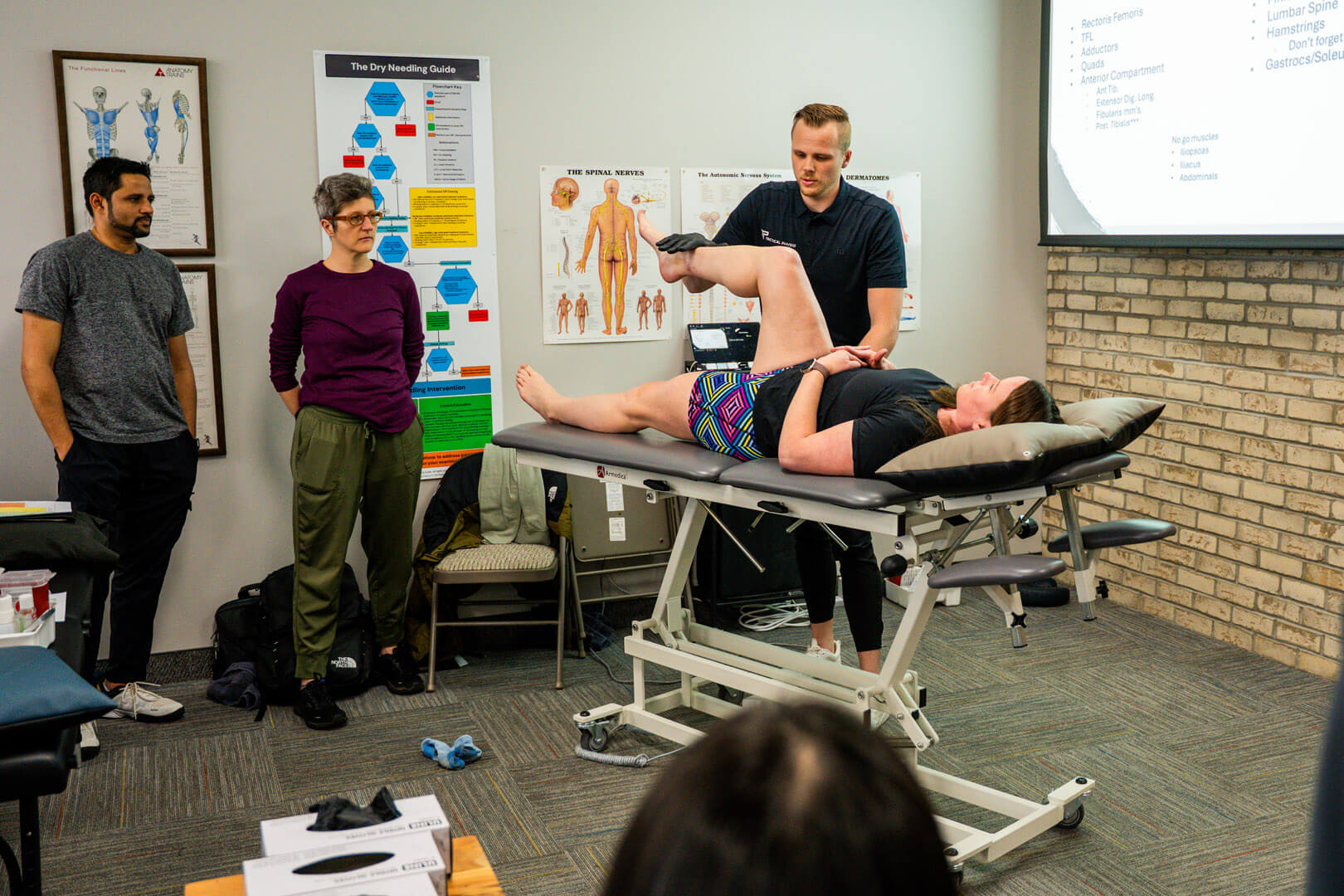
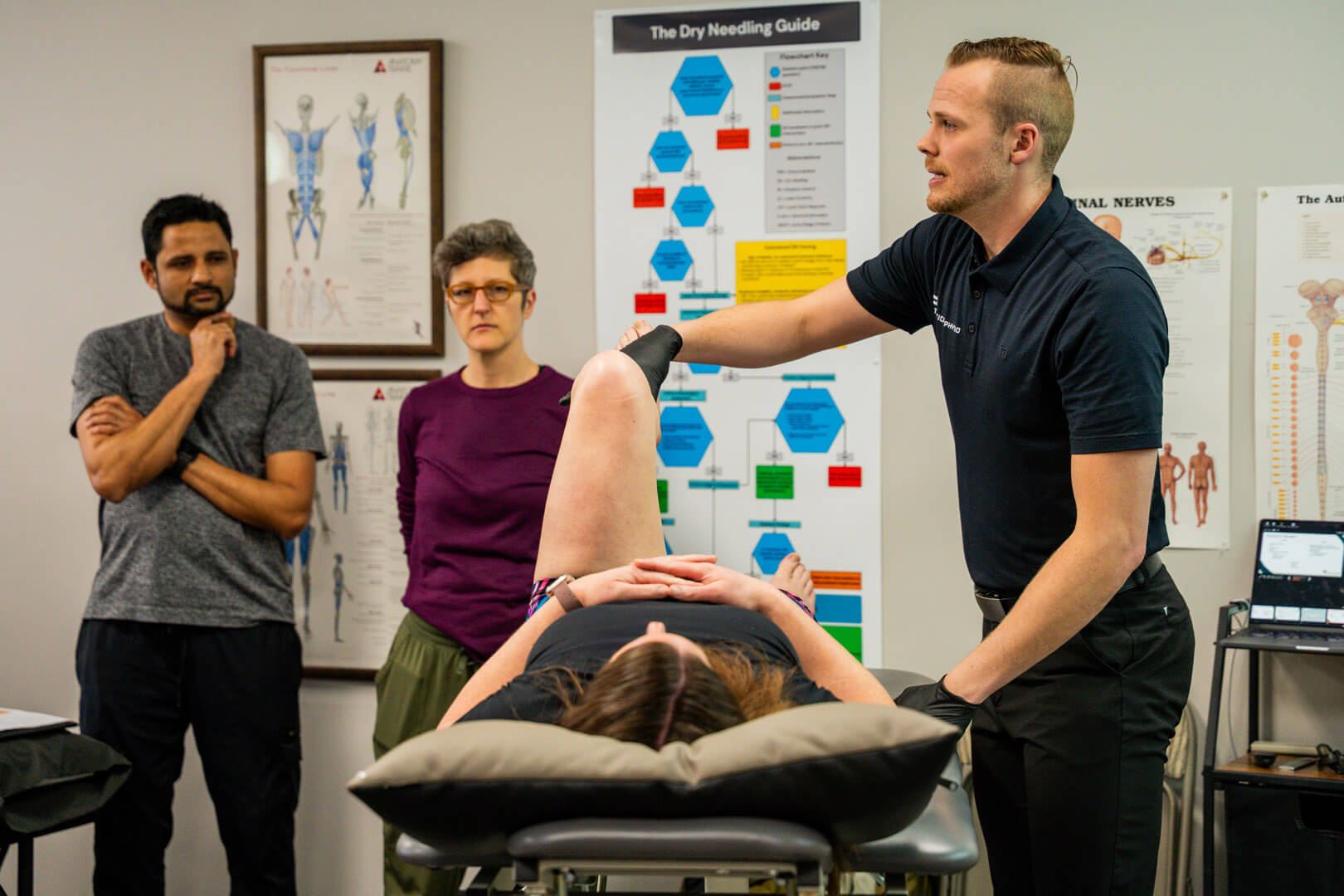
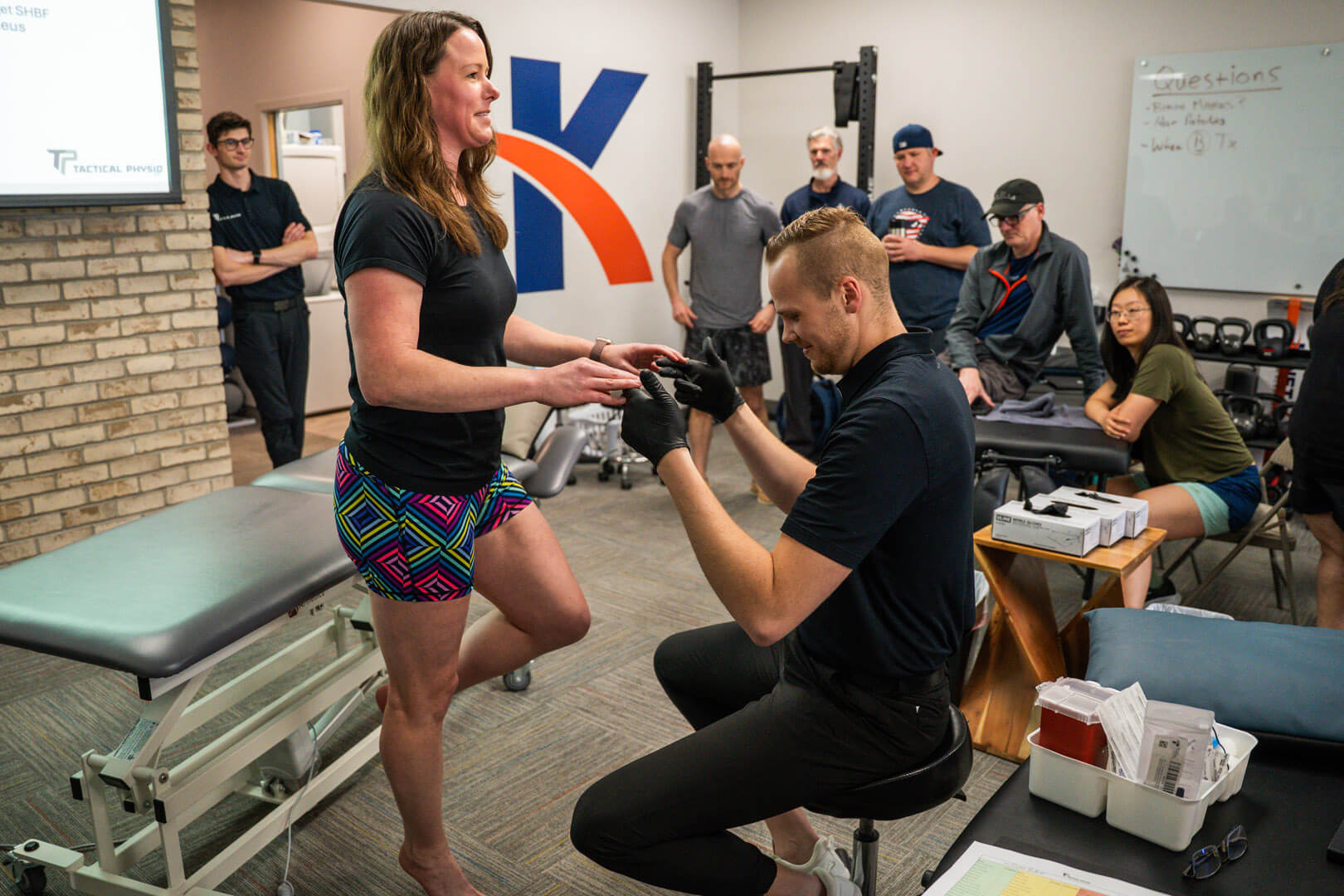
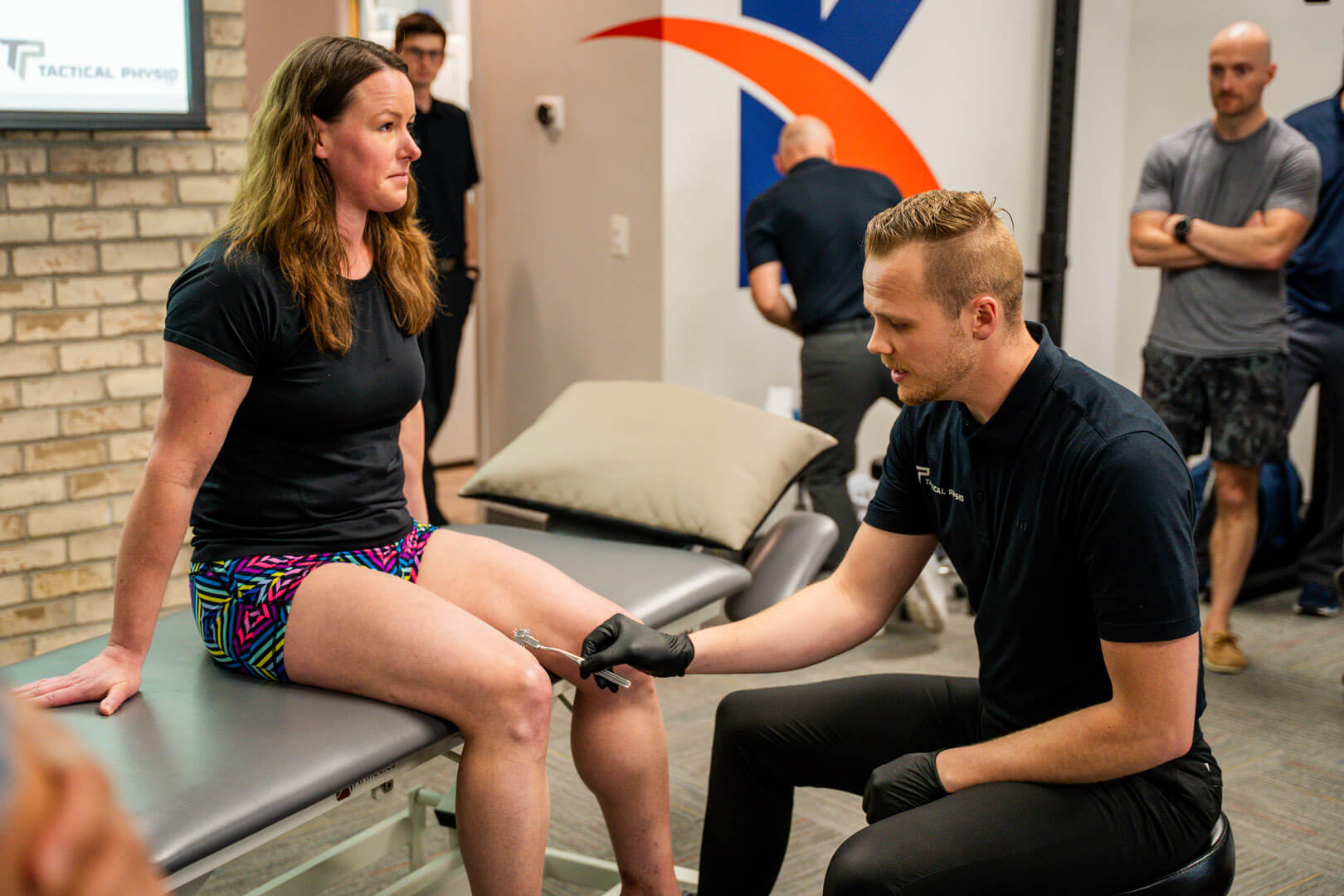
Safe, effective dry needling from the ground up, built on root cause assessment and the Assess, Treat, Verify model.
5–7 hours pre-course online content
2 days in-person course · 27 contact hours
$1,295
Learn More
Designed ForClinicians new to dry needling, and experienced clinicians who want a structured system they can use Monday morning.
Already Trained
TP1.5 Bridge
Already needle? Translate your training into the RMO framework for more precise, repeatable clinical decisions.
5–7 hours pre-course online content
1 day in-person course · 17 contact hours
$995
Learn More
Designed ForClinicians with prior dry needling education, from any provider, ready for greater precision and better client outcomes.
Advanced
TP2 Advanced Integration
Master the RMO at the highest level, using a neurological lens to take on the most complex cases.
4–5 hours pre-course online content
2 days in-person course
Coming Soon
Learn More
Designed ForGraduates of TP1 or TP1.5 who are ready for higher-level decision-making and full RMO integration.
New · 100% Online
The Online RMO Course
The complete RMO clinical reasoning framework, online and on your schedule. The system behind every Tactical Physio course, no travel required.
Built for clinicians who already needle, and for anyone who wants to master the model before joining us in person.
6 hours of online content
Self-paced, start immediately
Self-PacedAccess upon registration
Register Now

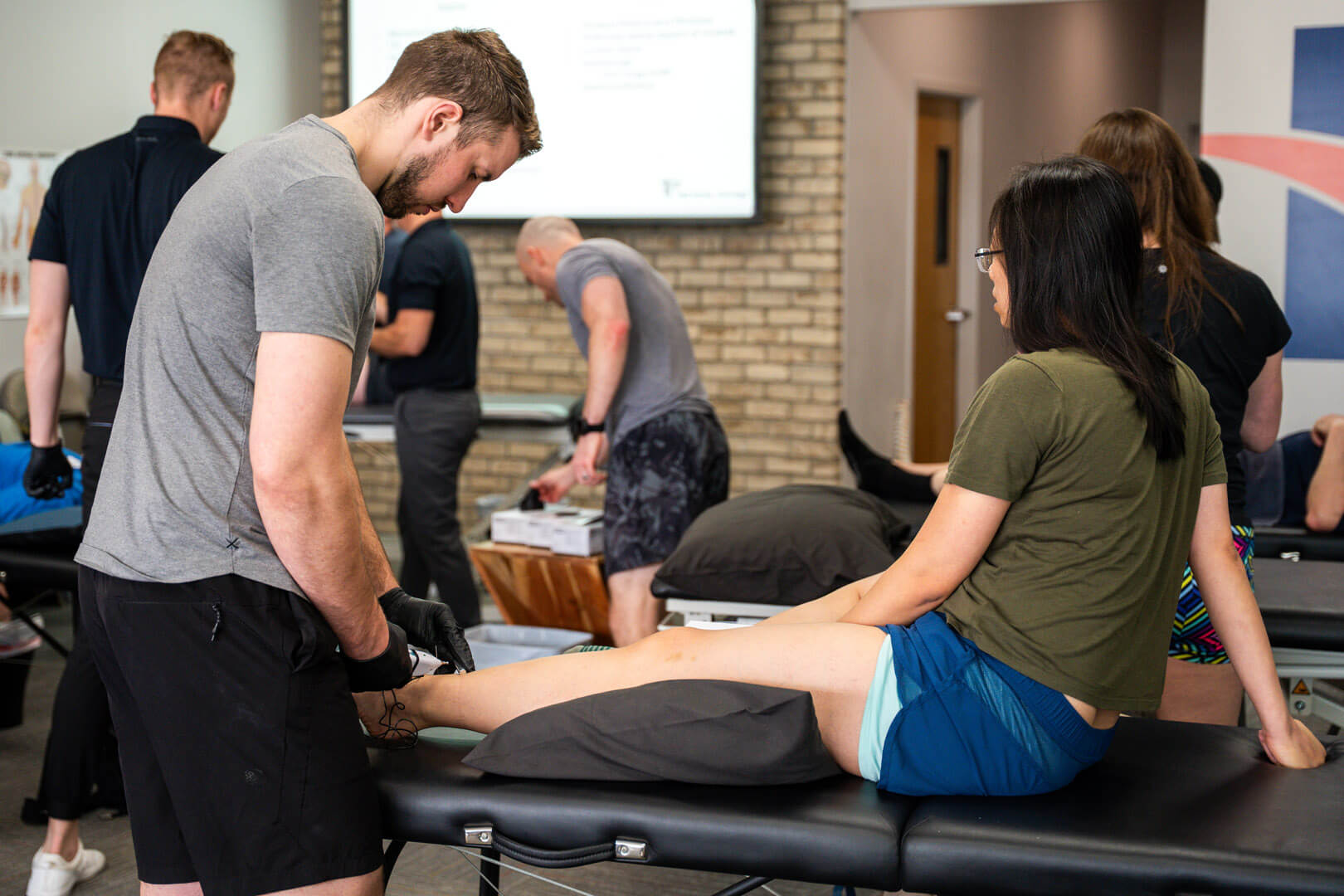
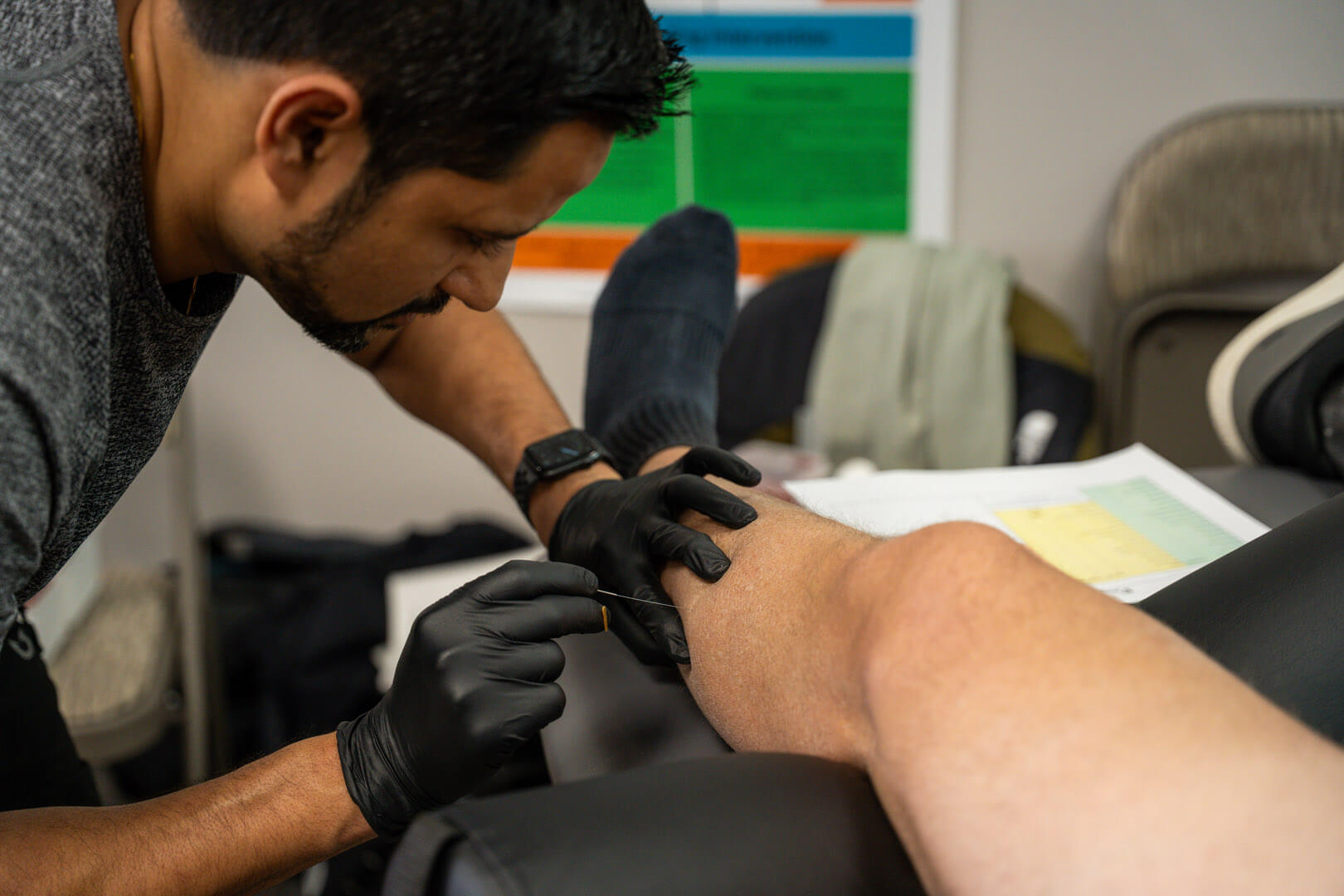
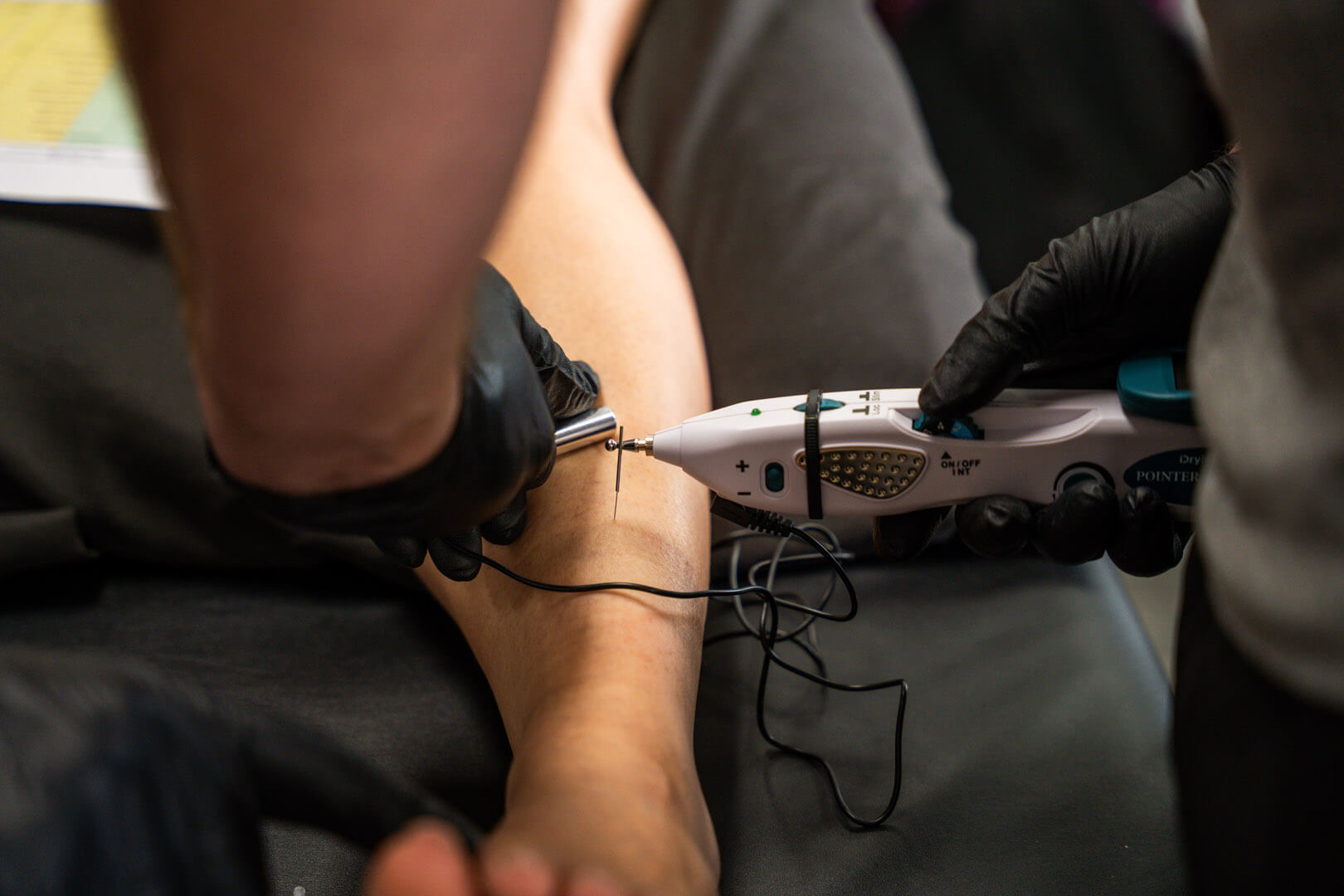
In the United States, only certain licensed healthcare professionals are permitted to perform dry needling, and permission is determined by each state’s practice laws. For physical therapists, the ability to use dry needling—and the training required—varies by state.
Providers from other healthcare professions should consult their state licensing board or professional association for guidance. Each practitioner is personally responsible for understanding whether dry needling is allowed under their state practice act, as well as the education and training required to use it safely and legally in clinical practice. When in doubt, contact your state board or professional association for clarification.